Filter by
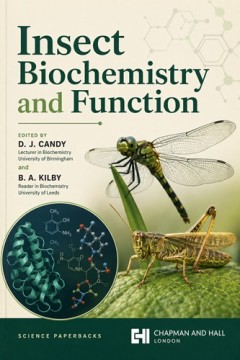
Insect Biochemistry and Function
A comprehensive scientific volume examining the biochemical processes and physiological functions of insects. The book includes topics such as metabolism, hormones, nutrition, enzymology, and insect physiology, contributed by specialists in entomology and biochemistry.
- Edition
- Science Paperback Edition
- ISBN/ISSN
- 0-412-21530-6
- Collation
- -
- Series Title
- Science Paperbacks
- Call Number
- 595.719 C216

Molecular Biology: Genes and the Chemical Control of Living Cells
An introductory scientific text explaining the molecular basis of genes and the chemical mechanisms controlling living cells. The book discusses DNA, RNA, protein synthesis, and cellular regulation within the framework of modern molecular biology.
- Edition
- Not specified
- ISBN/ISSN
- -
- Collation
- -
- Series Title
- -
- Call Number
- 575.8 B27

Molecular Approaches to Ecology
This book represents an early and influential attempt to integrate molecular biology with ecological science. Florkin and Schoffeniels explore how biochemical and molecular processes influence the interactions between organisms and their environments. The text examines enzyme activity, metabolic adaptation, and cellular responses in ecological contexts, laying groundwork for what later became t…
- Edition
- 1st
- ISBN/ISSN
- Not available (published before
- Collation
- -
- Series Title
- -
- Call Number
- 591,5 F632
Physiology of Connective Tissue
Physiology of Connective Tissue by Miloš Chvapil is a foundational scientific work that explores the biological and biochemical characteristics of connective tissues in living organisms. The book provides a detailed examination of the structure, composition, and functional dynamics of connective tissue, including collagen, elastin, and ground substances. Chvapil emphasizes the role of connect…
- Edition
- -
- ISBN/ISSN
- Not available (predates widespre
- Collation
- -
- Series Title
- -
- Call Number
- 591.8 C426
Elements of General and Biological Chemistry
This textbook provides an introduction to the principles of general and biological chemistry with emphasis on the molecular basis of life. It covers atomic structure, chemical bonding, states of matter, acids and bases, basic organic chemistry, and biologically important molecules such as carbohydrates, lipids, proteins, enzymes, and nucleic acids. The book is designed primarily for students in…
- Edition
- 4th
- ISBN/ISSN
- 047140862X
- Collation
- -
- Series Title
- -
- Call Number
- 574,192 H722
Hawk’s Physiological Chemistry
Hawk’s Physiological Chemistry (14th edition) is a comprehensive and authoritative textbook that bridges classical chemistry with human physiology. The book systematically presents the chemical principles underlying biological processes, including carbohydrates, lipids, proteins, enzymes, hormones, vitamins, body fluids, and metabolic regulation. Edited by Bernard L. Oser, this edition refle…
- Edition
- 14th
- ISBN/ISSN
- ISBN: Not assigned (pre-ISBN era
- Collation
- -
- Series Title
- -
- Call Number
- 574,192 H392
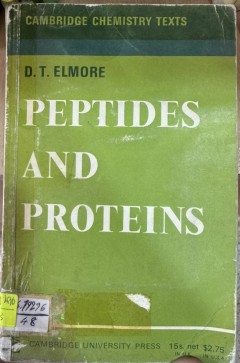
Peptides and Proteins
This book provides an introductory yet rigorous treatment of the chemistry and biochemistry of peptides and proteins. It covers the separation and isolation of peptides and proteins, methods for determining primary structure, macromolecular properties, chemical synthesis of peptides, biosynthesis of proteins, and the relationship between molecular structure and biological activity. Intended pri…
- Edition
- 1st
- ISBN/ISSN
- 0521071070
- Collation
- -
- Series Title
- -
- Call Number
- 574.19296 E48
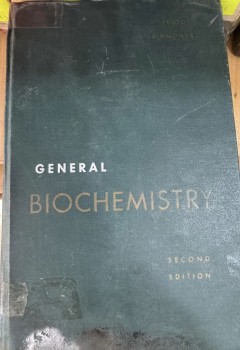
General Biochemistry
General Biochemistry (2nd Edition) is a comprehensive foundational textbook presenting the chemical principles underlying biological processes. It systematically examines the structure and function of proteins and enzymes, mechanisms of biological oxidation, and the intermediary metabolism of carbohydrates, lipids, and nitrogen-containing compounds. Written for advanced undergraduate and gradua…
- Edition
- 2nd
- ISBN/ISSN
- ISBN was not assigned at the tim
- Collation
- -
- Series Title
- -
- Call Number
- 574,19 F944
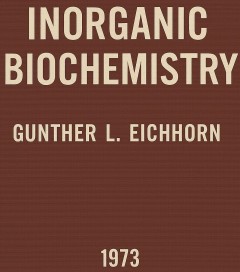
Inorganic Biochemistry
Inorganic Biochemistry is a foundational reference work that explores the roles of inorganic elements and metal ions in biological systems. Edited by Gunther L. Eichhorn, the book integrates principles of inorganic chemistry with biochemistry to explain the structure, function, and mechanisms of metalloproteins, metalloenzymes, and coordination complexes in living organisms. The two-volume set …
- Edition
- Volume 1
- ISBN/ISSN
- 044441021X
- Collation
- -
- Series Title
- -
- Call Number
- 574.1921 E34
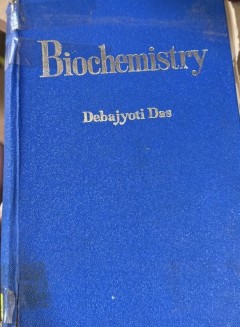
Biochemistry
This book provides a comprehensive and systematic introduction to biochemistry, covering both the chemical foundations of biomolecules and their biological and clinical significance. Topics include the chemistry and metabolism of carbohydrates, lipids, proteins, and nucleic acids; enzyme kinetics; biological oxidation; vitamins and minerals; hormones and neurotransmitters; membranes and muscle …
- Edition
- 1st
- ISBN/ISSN
- Not assigned / Not available (th
- Collation
- -
- Series Title
- -
- Call Number
- 574.192 D229
 Computer Science, Information & General Works
  Philosophy & Psychology
  Religion
  Social Sciences
  Language
  Pure Science
  Applied Sciences
  Art & Recreation
  Literature
  History & Geography