Filter by

An Introduction to Psycholinguistics
A student-friendly, accessible introduction to psycholinguistics that explores how language relates to the mind, brain, learning, and culture. Topics include child language development, deaf language education, wild-reared children, reading and literacy, animal language capacity, grammar theories (including “natural grammar”), thought and culture, origins of language, brain–language relat…
- Edition
- 2nd edition (revised), 2006
- ISBN/ISSN
- 0-582-50575-5
- Collation
- 306
- Series Title
- -
- Call Number
- 332 Ling

Sociocultural Theory and the Pedagogical Imperative in L2 Education
"This book applies Vygotsky's sociocultural theory to second language (L2) education, emphasizing the 'pedagogical imperative'—the inseparable connection between theory and practice. Through empirical studies and classroom applications, the authors present a praxis-oriented model for language teaching, featuring concepts such as the Zone of Proximal Development, Dynamic Assessment, and System…
- Edition
- -
- ISBN/ISSN
- 978-0-415-89418-0
- Collation
- 252
- Series Title
- -
- Call Number
- 12 AP.Ling
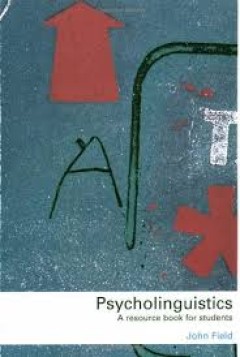
Psycholinguistics: A Resource Book for Students
An accessible undergraduate textbook in the Routledge English Language Introductions series. It presents psycholinguistic theory through a “two-dimensional” structure—Introduction, Development, Exploration, and Extension—that combines explanations, real-world data, study questions, exercises, commentaries, and key readings in one volume. It covers topics such as language and cognition, …
- Edition
- 1st edition (2003)
- ISBN/ISSN
- 0-415-27599-7 (hbk)
- Collation
- 231
- Series Title
- -
- Call Number
- 117 Lit
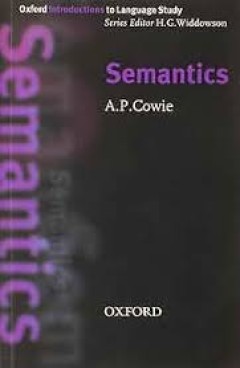
Semantics
An introduction to the study of meaning in language, covering key concepts, theories, and approaches in semantics. Designed as part of the Oxford Introductions to Language Study series, with commentary and suggestions for further reading.
- Edition
- -
- ISBN/ISSN
- 978-0-19-438923-5
- Collation
- 130
- Series Title
- -
- Call Number
- 398 Lit
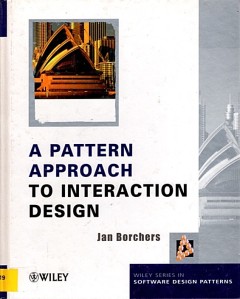
A Pattern Approach To Interaction Design
- Edition
- 1
- ISBN/ISSN
- 0-471-49828-9
- Collation
- 246
- Series Title
- -
- Call Number
- 004.019/ B 726
- Edition
- 1
- ISBN/ISSN
- 0-471-49828-9
- Collation
- 246
- Series Title
- -
- Call Number
- 004.019/ B 726

Early Adopter JSP Standard Tag Library
- Edition
- 1
- ISBN/ISSN
- 1-861006-24-1
- Collation
- 306
- Series Title
- -
- Call Number
- 005.133/F 193
- Edition
- 1
- ISBN/ISSN
- 1-861006-24-1
- Collation
- 306
- Series Title
- -
- Call Number
- 005.133/F 193
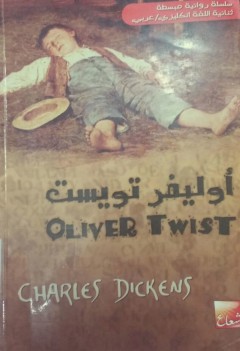
Oliver Twist / أوليفر تويست
This edition presents Dickens’ Oliver Twist in facing‑page English and Arabic translation. It’s intended for bilingual readers and students, facilitating language acquisition and comparative reading. Typical page count ~432. Published by Dar El‑Ilm Lilmalayin, widely available in Lebanon, Syria, and the broader Arab world.
- Edition
- First Edition
- ISBN/ISSN
- 60045
- Collation
- Approx. 432 pages; dimensions ca. 17 × 24 cm (hardcover), may vary slightly in paperback version
- Series Title
- -
- Call Number
- Short Story 69
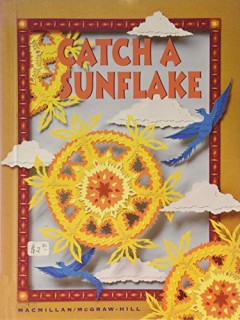
Catch a Sunflake
Part of a leveled readers series designed for third-grade students, Catch a Sunflake contains a collection of short stories, poems, and activities to reinforce reading skills. It is often used alongside teacher’s editions, progress assessments, and activity books (e.g. Catch a Sunflake: Teacher’s Planning Guide for Grade 3, Level 8).
- Edition
- 1993 edition, part of the “A New View” Grade 3 rea
- ISBN/ISSN
- 0-02-178758-1
- Collation
- 338 pages (full bound volume of multiple graded stories up through level 13)
- Series Title
- -
- Call Number
- Story 107
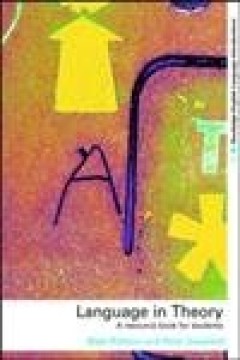
Language in Theory: A Resource Book for Students
A conceptual and thematic introduction to key frameworks in language theory for students. Topics include gendered language, race, performativity, cognition, creativity, intention, and interpretation. Combines accessible introduction with critical theory readings and learning exercises for self-study or coursework.
- Edition
- First Edition
- ISBN/ISSN
- 0-415-32048-8
- Collation
- 176 pages
- Series Title
- -
- Call Number
- S 47
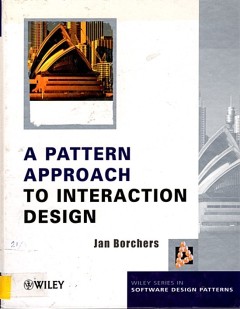
A PATTERN APPROACH TO INTERACTION DESIGN
- Edition
- 1
- ISBN/ISSN
- 0-471-49828-9
- Collation
- 246
- Series Title
- -
- Call Number
- 004.019/B 726
- Edition
- 1
- ISBN/ISSN
- 0-471-49828-9
- Collation
- 246
- Series Title
- -
- Call Number
- 004.019/B 726
 Computer Science, Information & General Works
  Philosophy & Psychology
  Religion
  Social Sciences
  Language
  Pure Science
  Applied Sciences
  Art & Recreation
  Literature
  History & Geography